Introduction
Dance is an art form that transcends obstacles, unifies neighborhoods, and bursts with the vigor of human expression. Whether you're a budding professional dancer stepping into a dance studio for the first time or a skilled performer looking to fine-tune your craft, recognizing dance studio rules is vital for ensuring a positive experience. This extensive overview entitled From Newbie to Specialist: Navigating Dance Studio Decorum for an Unified Experience will take you via every facet of dance studio habits, providing understandings that will certainly boost your experience and foster stronger connections within the dancing community.
Understanding Dance Studio Etiquette
What is Dance Studio Etiquette?
Dance workshop decorum refers to the set of customs and social standards that govern habits in a dance class setting. Much like any type of other creative setting, appreciating these guidelines can enhance not just your discovering experience but additionally that of your peers.
Why is Dance Studio Rules Important?
Adhering to correct etiquette assists create an environment of regard, emphasis, and collaboration. It cultivates a sense of community and permits professional dancers to support each other in their development while lessening distractions during class.
From Amateur to Expert: The Significance of First Impressions
Preparing for Your Initial Class
Walking right into a dance studio for the very first time can be stressful. To make a memorable impression:
- Dress properly: Wear comfy attire suitable for the sort of dance you're studying. Arrive early: Objective to arrive at the very least 10-- 15 minutes before class begins. This provides you time to check in, heat up, and settle in.
Greeting Your Instructor
A pleasant welcoming sets the tone for your experience. Always introduce yourself if it's your first-rate! An easy "Hello" or "Greetings" can go a long means in developing rapport.
Classroom Conduct: The Do's and Do n'tshtmlplcehlder 46end.
Do's: Favorable Behaviors
Be Respectful: Regard everyone's individual area-- specifically when practicing moves. Listen Actively: Show attentiveness when instructors are speaking; it reveals you value their guidance. Support Your Peers: Urge fellow dancers; positivity breeds encouragement.Don'ts: Unfavorable Behaviors
Avoid Interruptions: Maintain personal conversations outside the classroom. Don't Usage Your Phone: Silence your phone during class; it's disruptive. Refrain from Interrupting: Wait up until the trainer finishes prior to asking questions.The Duty of Personal Area in Dance Studios
Understanding Boundaries
Personal area varies from person to person, specifically in a dance setting where physical proximity is typically required throughout technique routines.
Communicating Comfort Levels
If you feel uncomfortable with exactly how close an additional dancer is obtaining throughout partnered exercises or formations, it's critical to connect this pleasantly and professionally.
Maintaining Expertise: Outfit Code and Grooming
Importance of Appropriate Attire
Each dance style commonly has its own outfit code-- whether it be leotards for ballet or baggy clothing for hip-hop courses-- adhering to these criteria shows respect for both your craft and your instructor.
Personal Hygiene Matters
Dancing requires physical exertion, which can lead to sweating. Guarantee you preserve excellent health by showering before course and wearing tidy attire.
Behavior Throughout Class: Focusing on Learning
Engaging with Instruction
It's vital to remain focused during demonstrations. Rather than simply enjoying, actively engage by imagining just how you would certainly perform each movement.
Asking Questions Appropriately
Curiosity enhances discovering! If something isn't clear, do not hesitate local dance academy to ask questions-- but guarantee they are relevant and presented at proper times (preferably after instructions).
Feedback: Embracing Constructive Criticism
Accepting Comments Gracefully
Constructive criticism is part and parcel of development in any kind of art type. Welcome responses with an open mind and avoid becoming defensive; bear in mind that review intends to help enhance your skills!
Offering Responses Thoughtfully
When providing feedback to peers, guarantee it's positive instead of essential; focus on what they did well together with areas for improvement.
Creating Harmony Through Teamwork
The Significance of Team Spirit
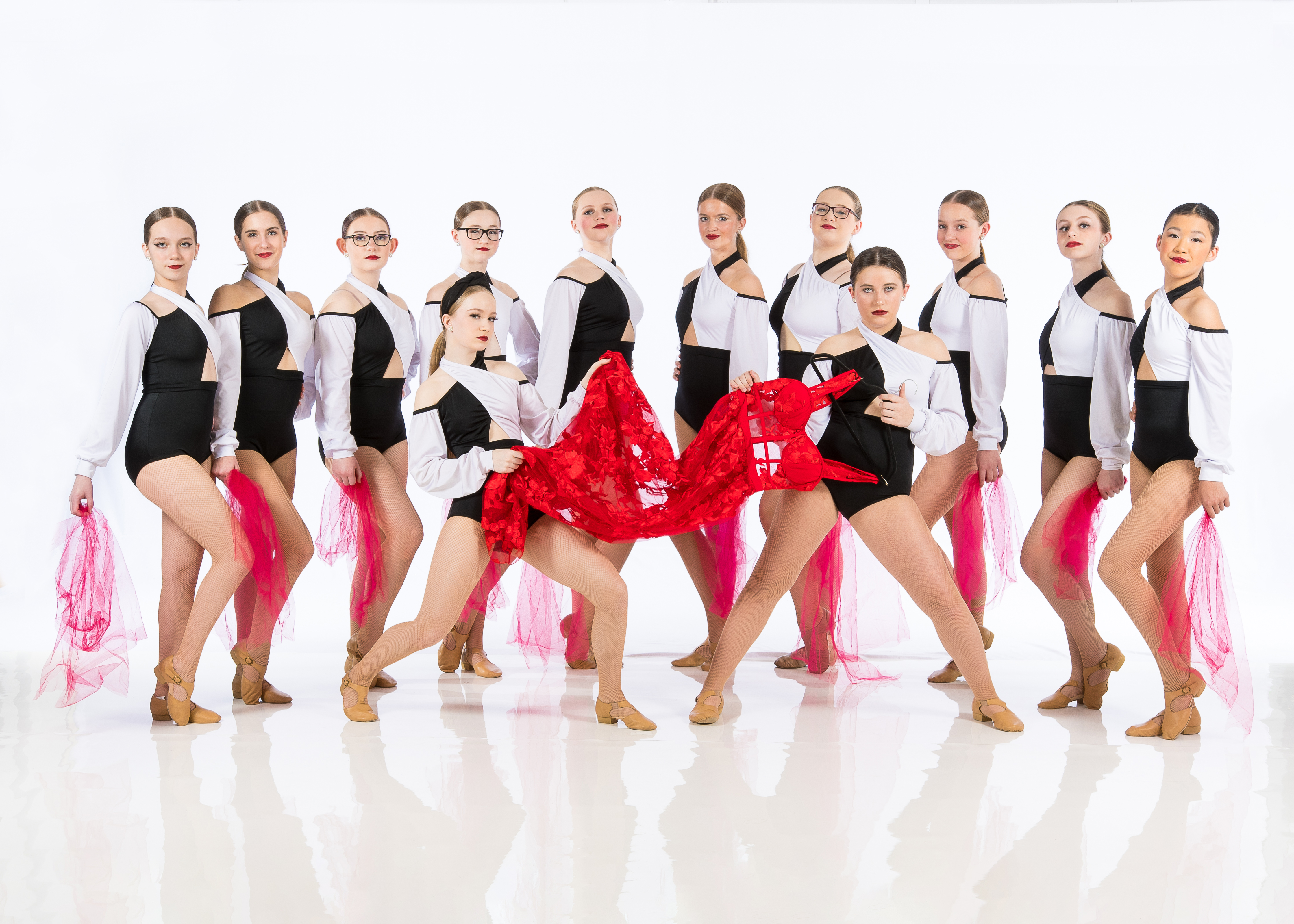
In several dance styles, synergy plays a crucial role; establishing camaraderie with fellow professional dancers brings about improved performances.
Collaborating Throughout Team Exercises
When involved in team tasks or choreography practices, motivate creativity by valuing everyone's concepts while also contributing your own constructively.
Handling Conflicts Gracefully
Addressing Disagreements Maturely
Conflict might develop as a result of misconceptions or varying point of views on choreography choices. Take on these issues independently as opposed to openly airing complaints which could disrupt course harmony.
Seeking Arbitration When Necessary
If conflicts escalate past personal resolution efforts-- look for advice from teachers who can moderate properly based upon their experience taking care of similar situations.
Post-Class Etiquette: Leaving on a Great Note
Thanking Teachers After Class
Always express appreciation towards your instructor after lessons; this reinforces favorable partnerships while recognizing their difficult work!
Keeping the Workshop Clean
Whether it's grabbing canteen or neatly arranging props post-class-- keeping sanitation shows respect for shared rooms used by all dancers!
Engaging Beyond Course Time: Structure Community Relationships
Joining Social Events
Participate in get-togethers arranged by studios such as displays or open houses-- these events supply opportunities for networking while improving community ties outside organized lessons!
Supporting Fellow Dancers' Performances
Attending peers' performances shows solidarity within the dance community-- it encourages interaction past plain participation at classes!
Frequently Asked Concerns (FAQs)
1. What need to I wear for my very first dance class?
Pick comfy clothing suitable for the particular design you're taking (e.g., leotards for ballet). Always ask about outfit codes beforehand!
2. Is it okay to speak throughout class?
It's ideal practice not to take part in side conversations throughout direction as this sidetracks both instructors & & fellow students alike!
3. Just how do I manage sensation overwhelmed?
Take deep breaths & & remind yourself that every dancer began someplace! Interact any type of battle with trainers who might give extra help if needed!
4. Suppose I disagree with choreography choices?
Express issues pleasantly either privately or within marked comments sessions rather than openly critiquing throughout wedding rehearsals; keeping professionalism helps solve disputes amicably!
5. Should I bring water into the studio?
6. How essential is punctuality?
Preparation is important as getting here late disrupts concentration levels while causing diversions; goal constantly arrive early enough enabling time warm-up correctly before courses commence!
Conclusion
Navigating via a dance studio setting can appear intimidating at first glance yet understanding proper etiquette inevitably changes one's journey from amateur status toward skilled level creativity! By sticking very closely well established habits described throughout this overview labelled From Newbie To Expert: Browsing Dance Studio Etiquette For An Unified Experience *, you'll grow very useful relationships within areas enriched creativity while refining technological prowess along with appreciated mentors! So shoelace up those shoes with confidence step onto that flooring-- the world awaits your distinct expression with movement!